NEW ARCHEOPOINT INAUGURED AT MIRS: where history speaks to the future.
24 November 2025
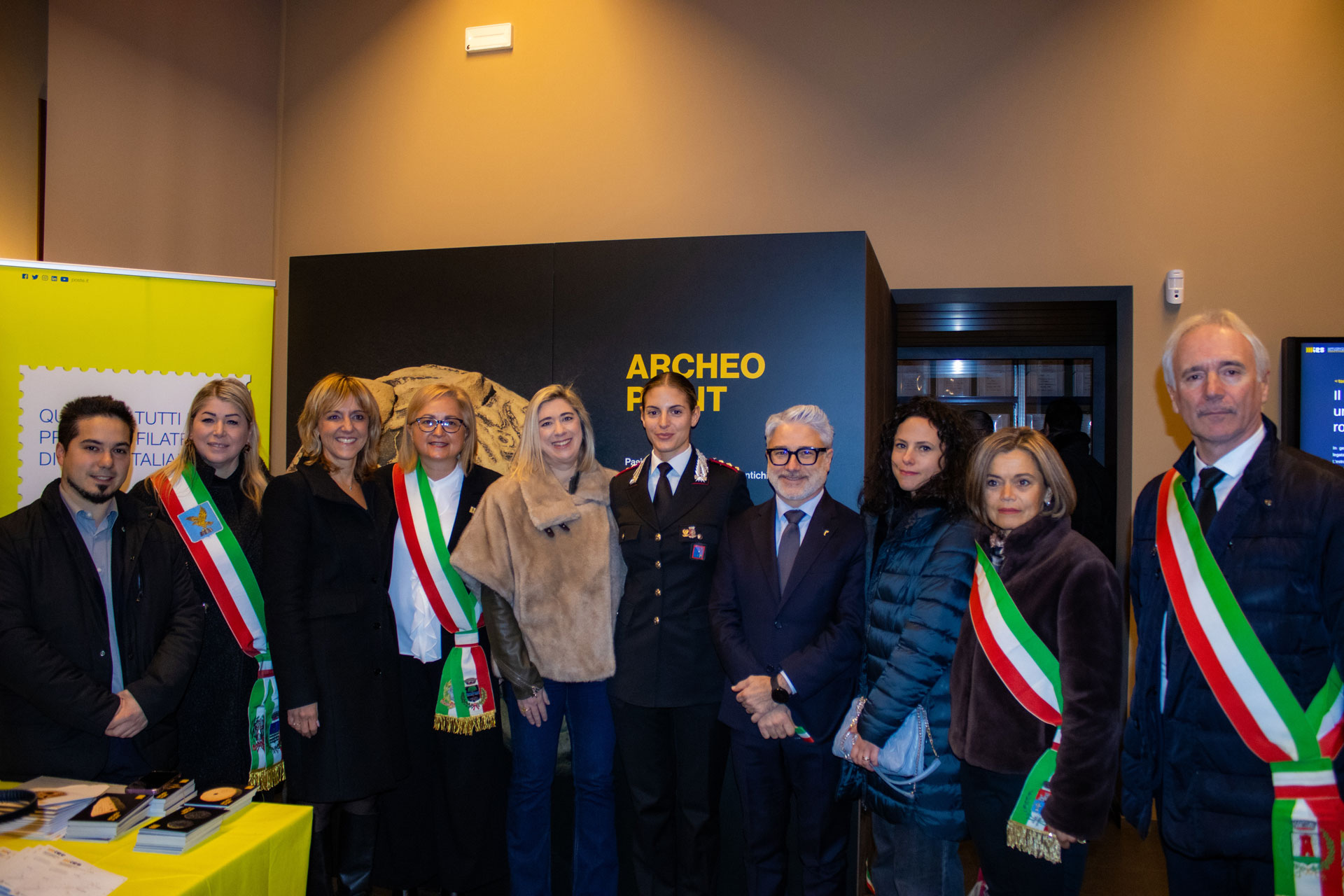
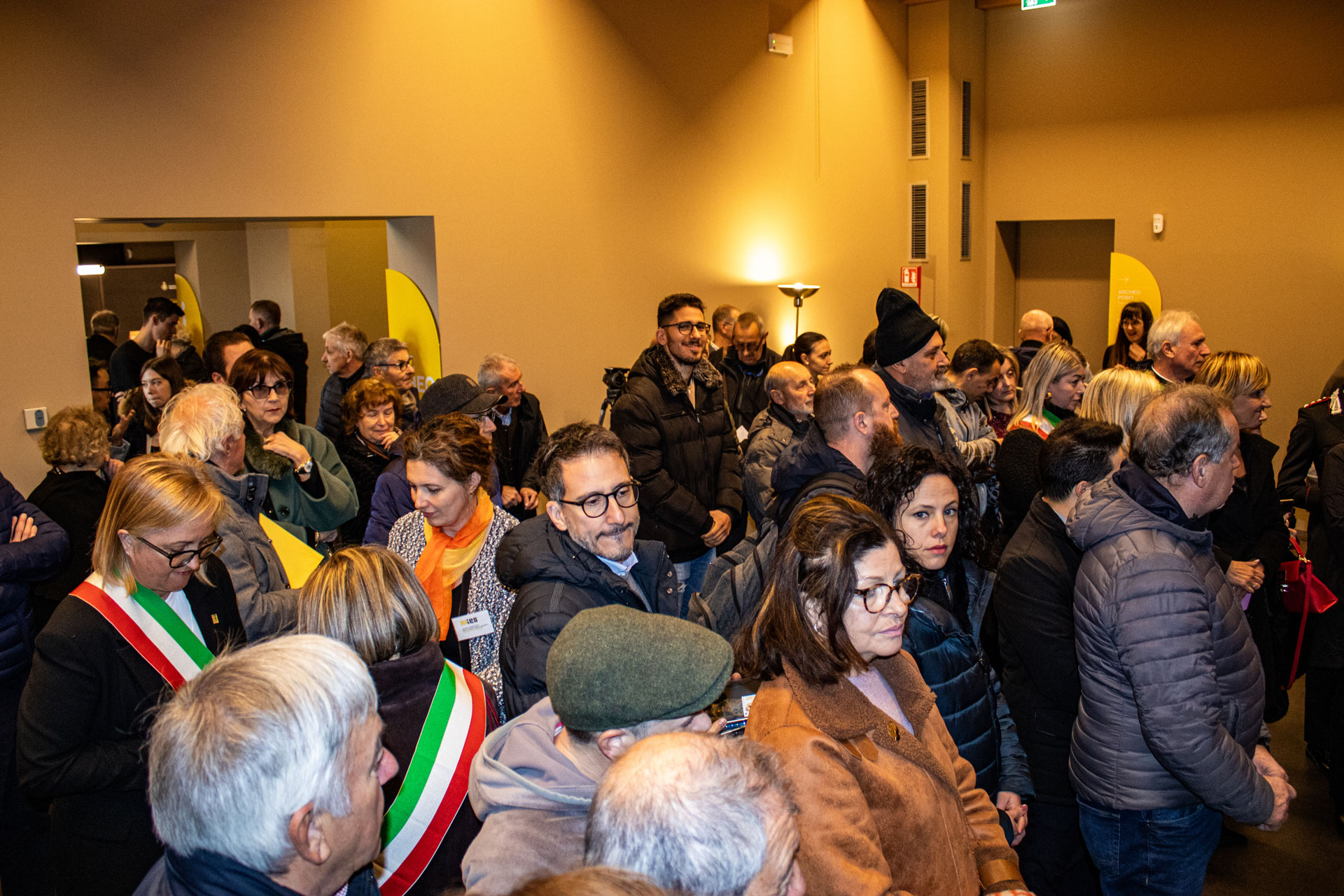
More than 100 people and numerous regional, national and local administrators at the ceremony: the new Archeopoint, the result of the joint work of the municipality, region, superintendence and Acilius Group, becomes a museum and interactive space, with a strong involvement of local schools.
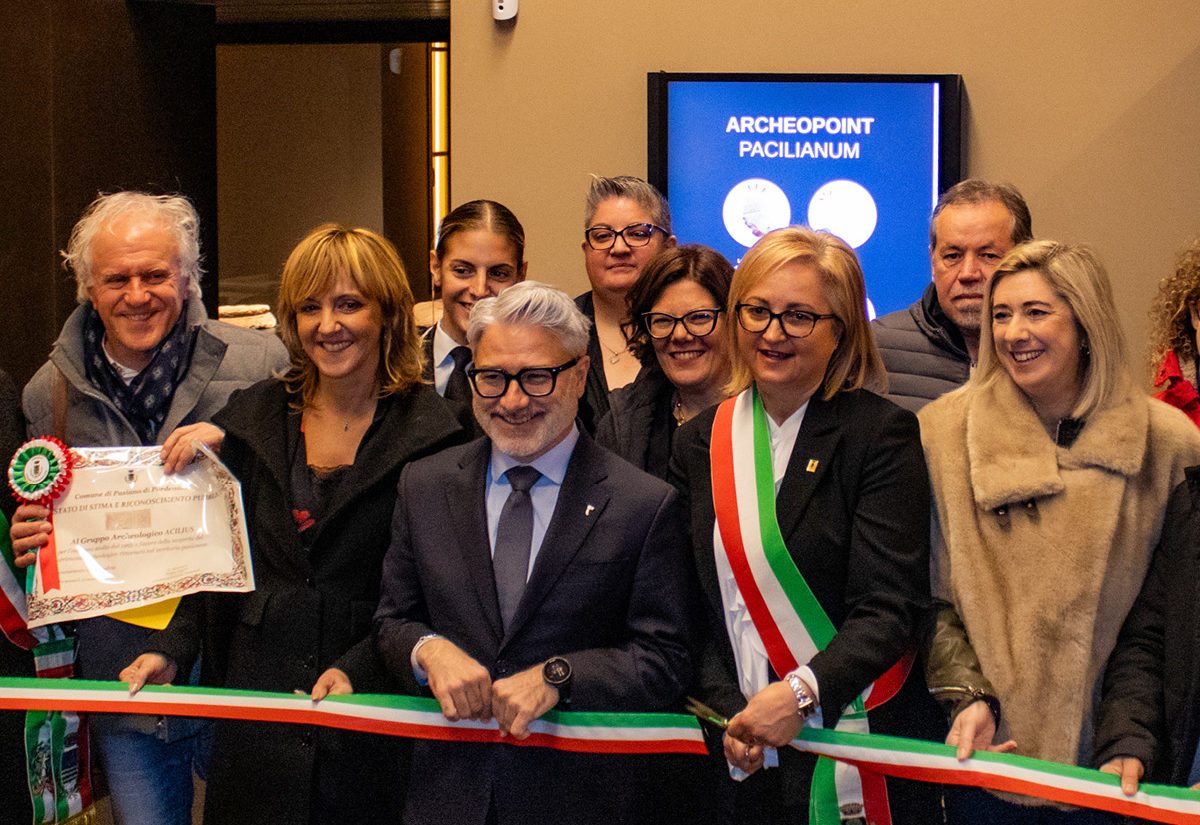
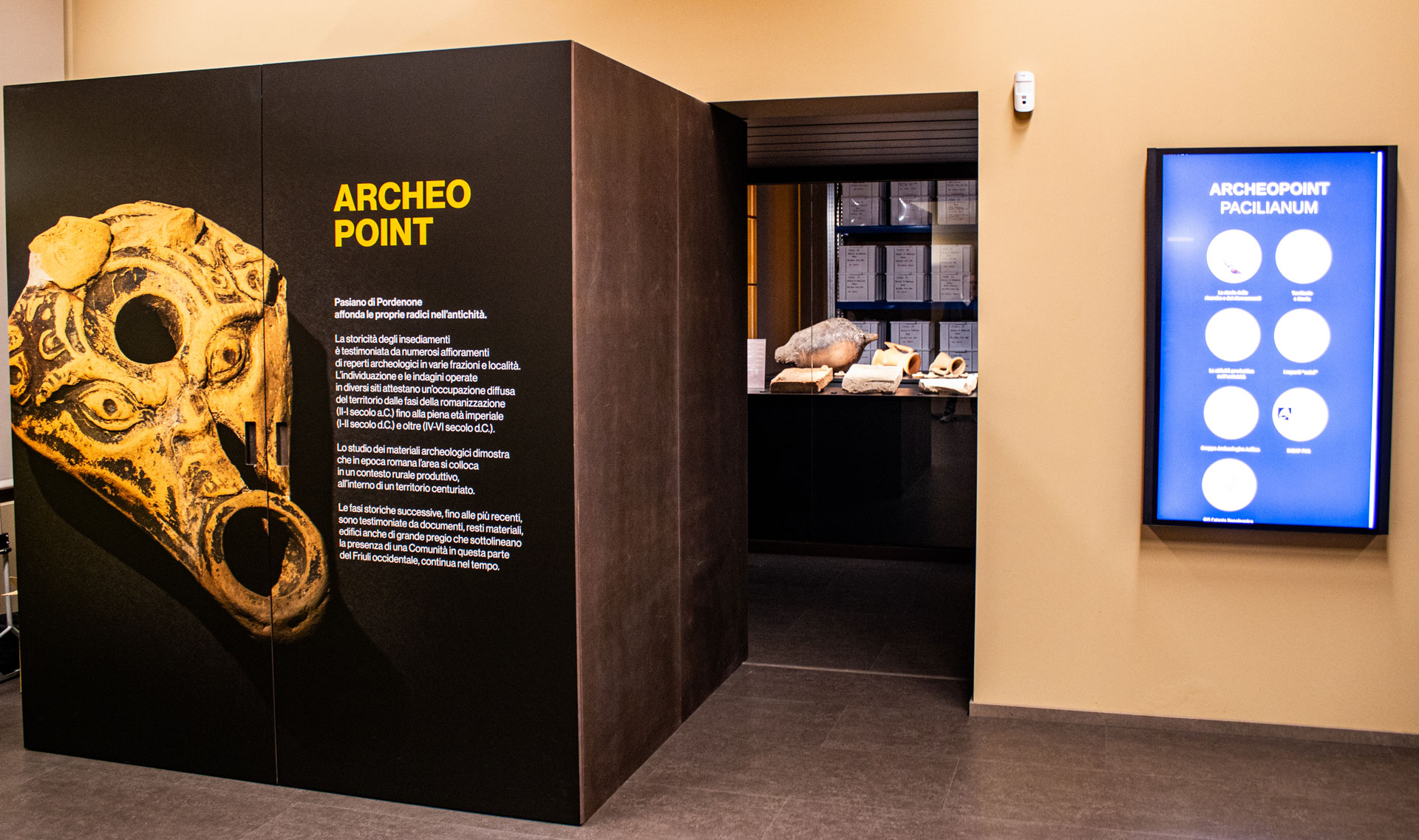
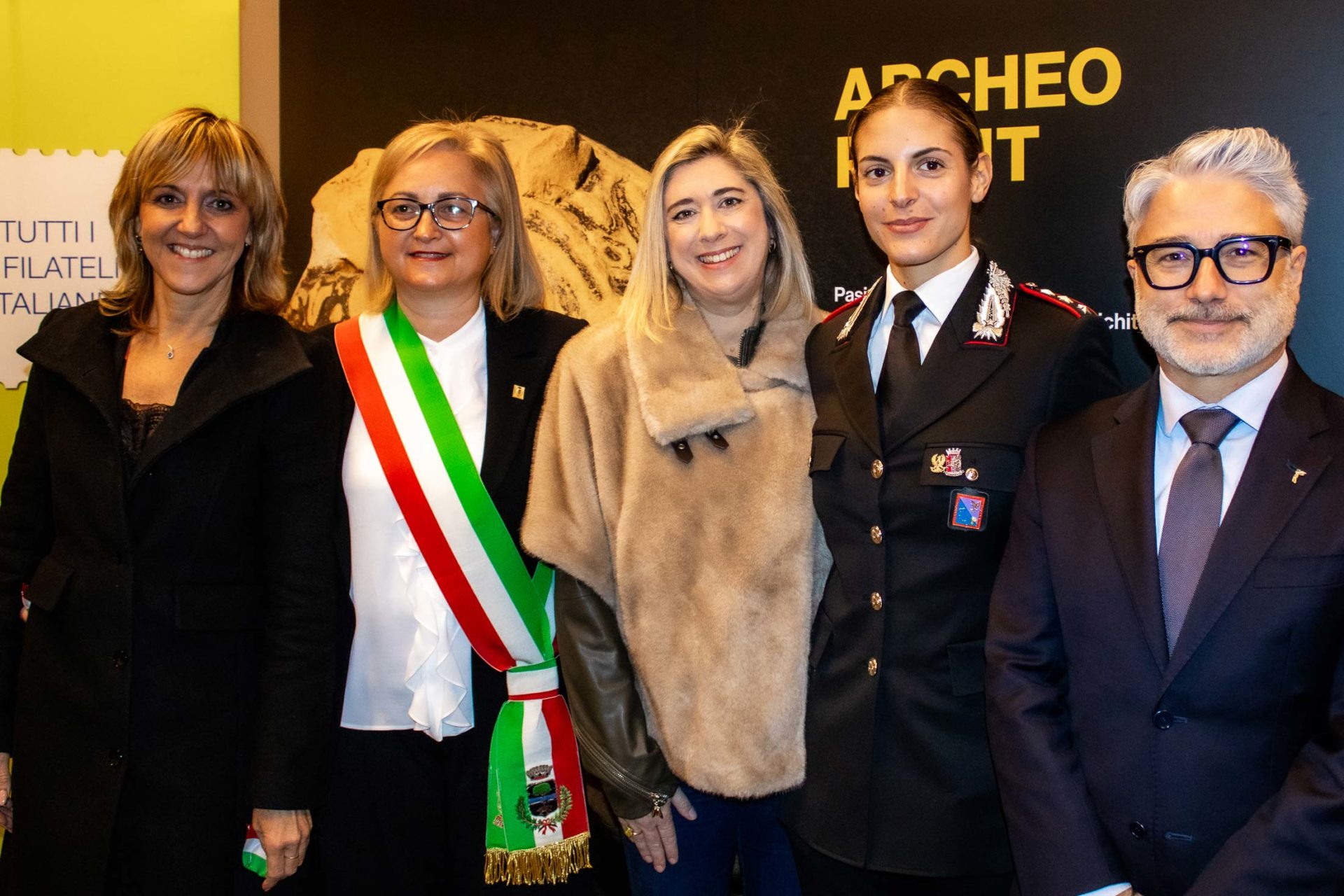
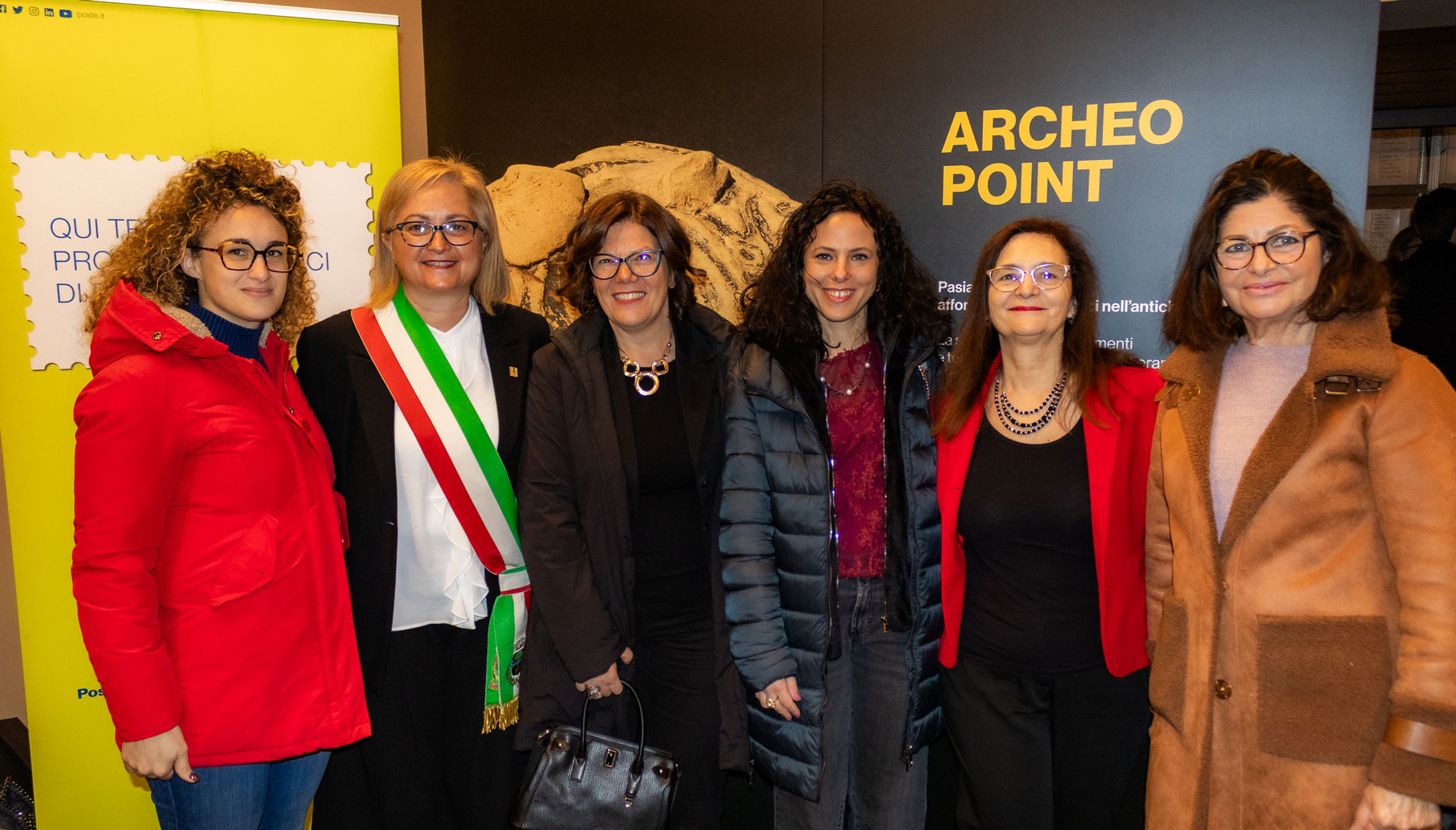
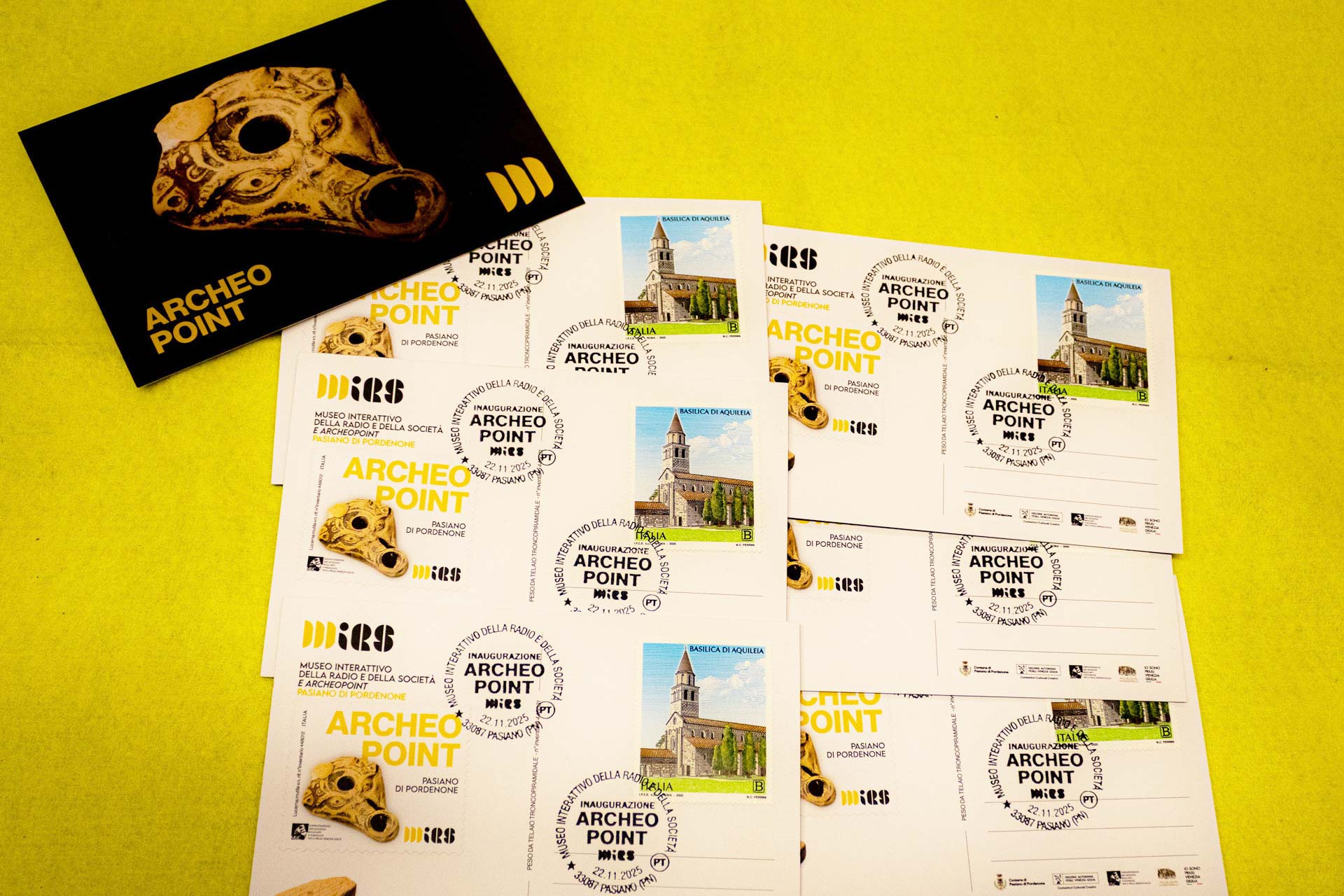
Pasiano has given new light to its oldest history in the very place that symbolizes its modernity. With the ribbon-cutting ceremony of theArcheopoint inside Mirs, the Interactive Museum of Radio and Society, on Saturday, November 22, Pasiano di Pordenone united archaeology and technology, bringing the artifacts of “Roman Pasiano” inside a living, interactive space open to the community. At the ceremony, which was attended by more than 100 people and numerous mayors and administrators from the area, such as the municipalities of Pordenone, Porcia, Prata and Chions, the new Archeopoint was presented as a permanent cultural laboratory, capable of telling the past and speaking to the future of citizens, schools and tourists.
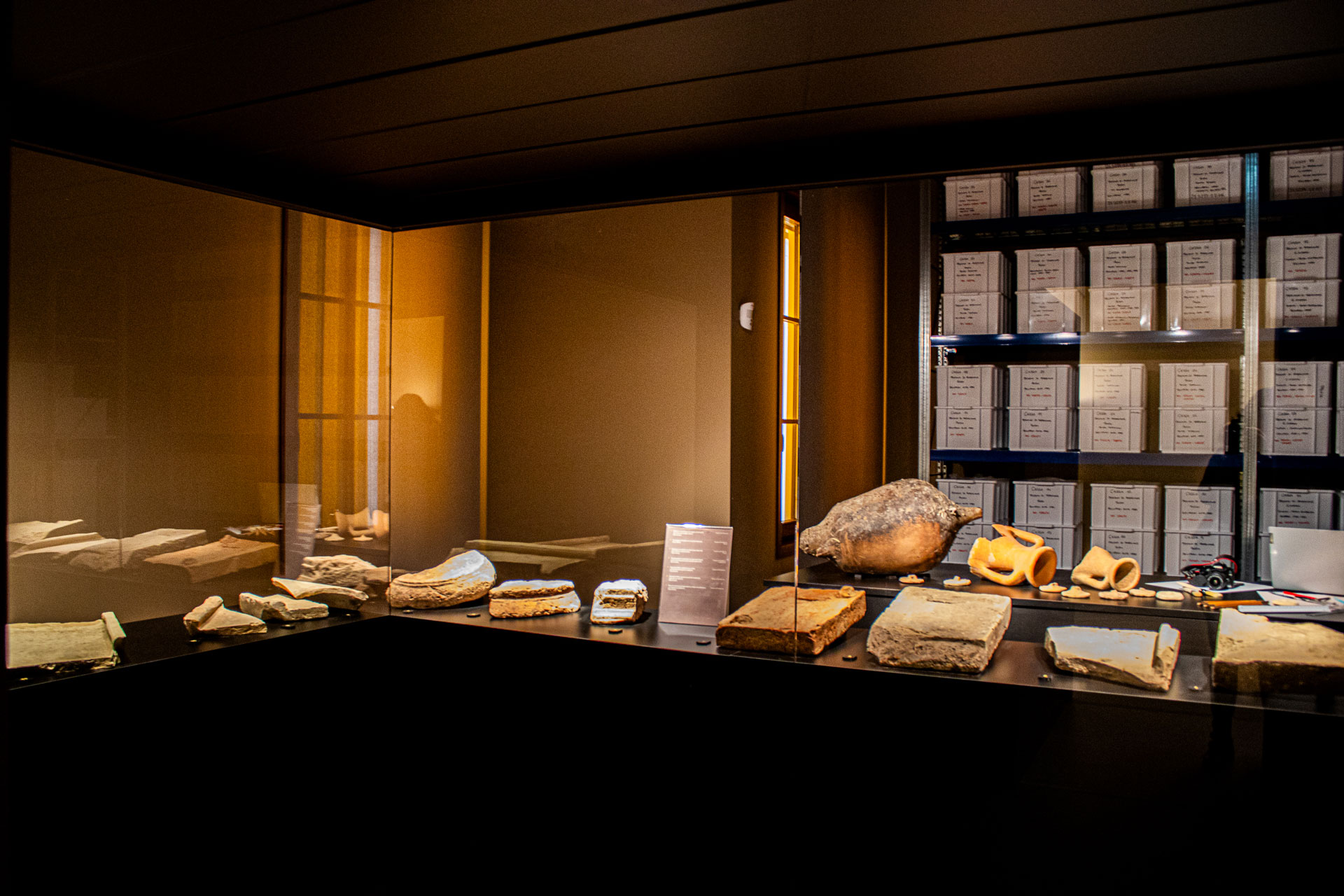
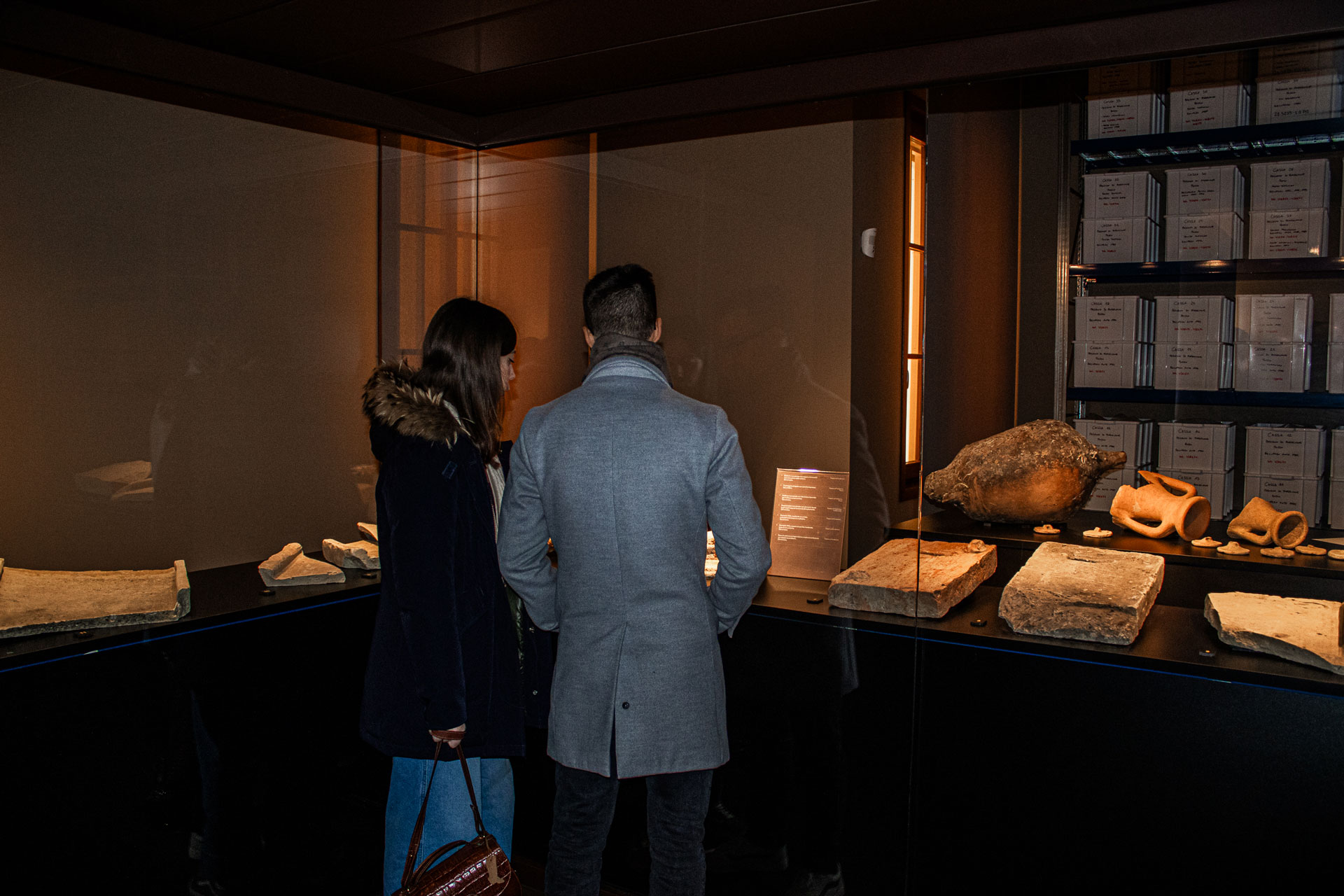
The new space, which previously, since 2014, consisted of a single internet advisory station in the library, has now found a stable and highly visible location in a dedicated room of the museum, designed also to host temporary exhibitions with Roman artifacts found in the area thanks to the activity of the Pasianese Archaeological Group “Acilius,” the constant collaboration with the Soprintendenza Archeologia, Belle Arti e Paesaggio for Friuli Venezia Giulia and the investment in terms of resources, fittings and conservation security by the municipal administration. A commitment supported by the Fvg Region, initiated with the previous mayor Edi Piccinin and brought to completion in final planning by the current mayor Marta Amadio.
The interventions
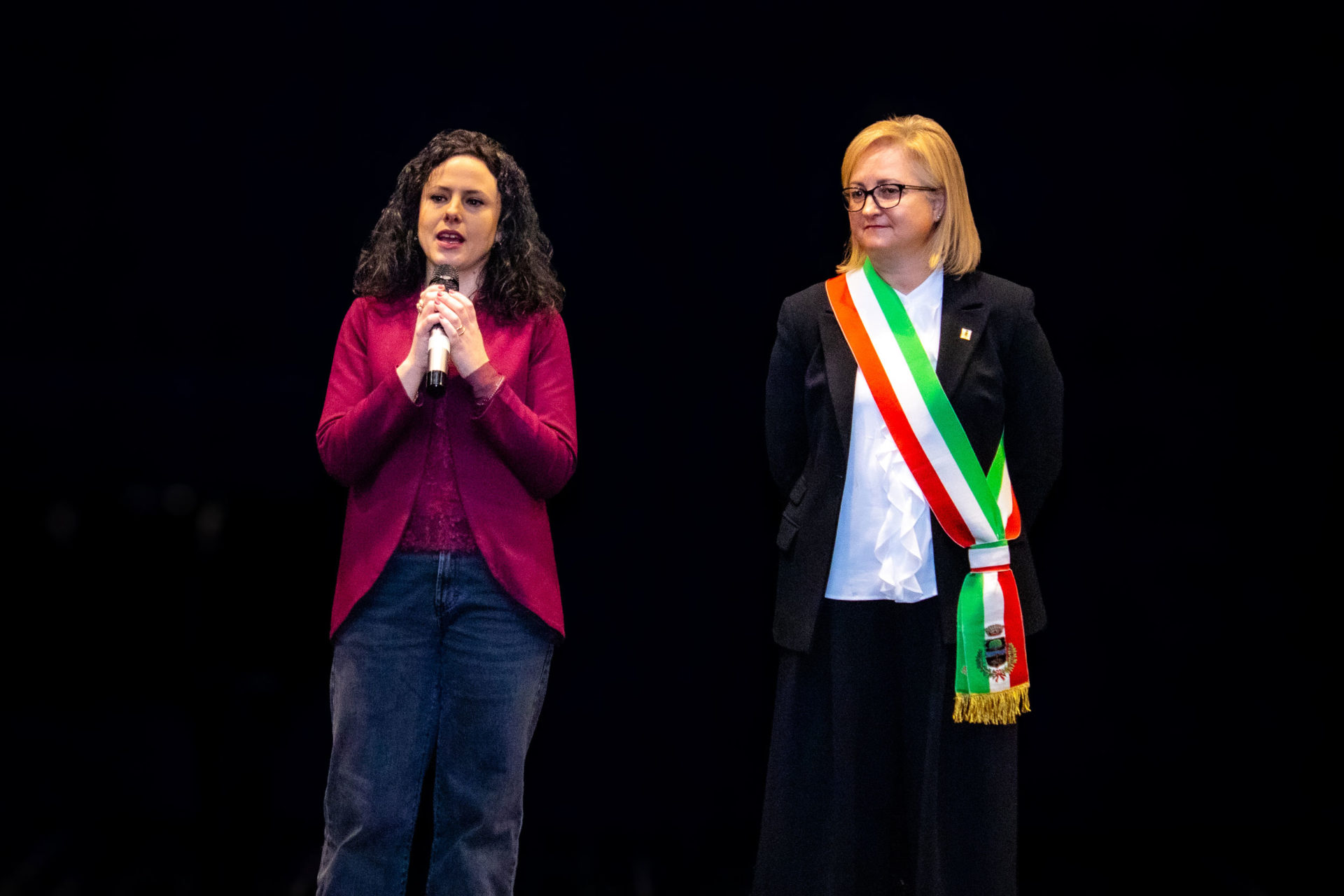
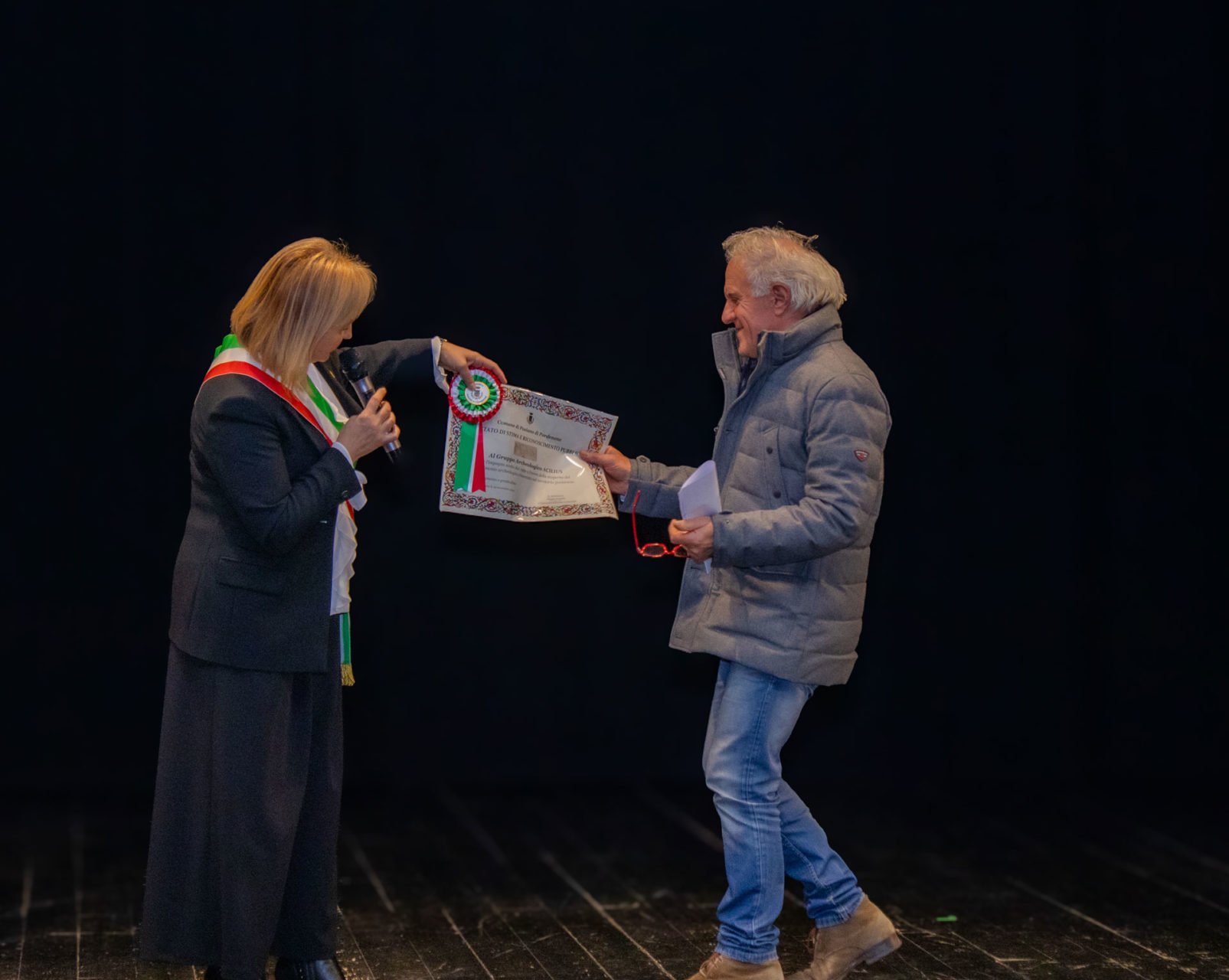
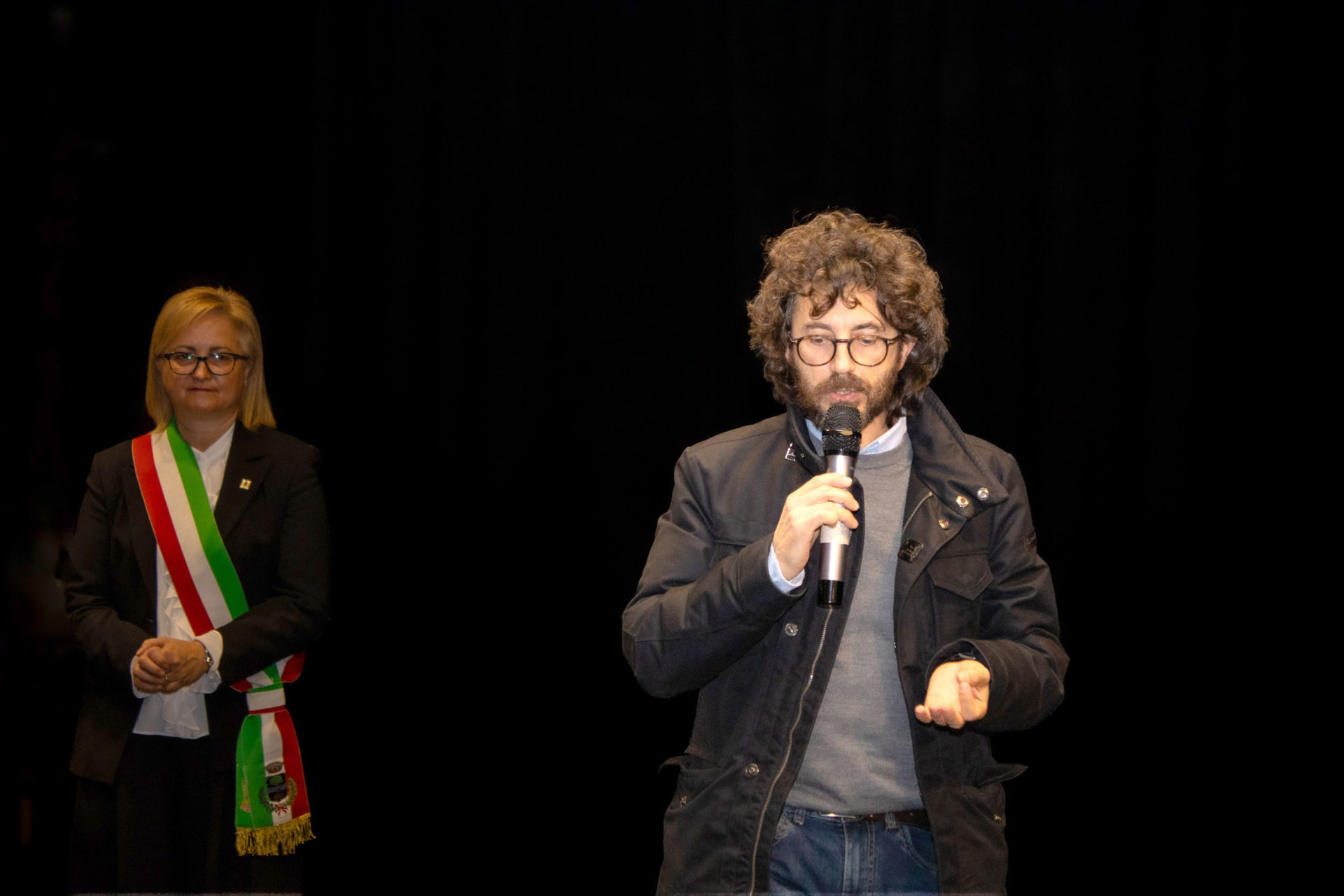
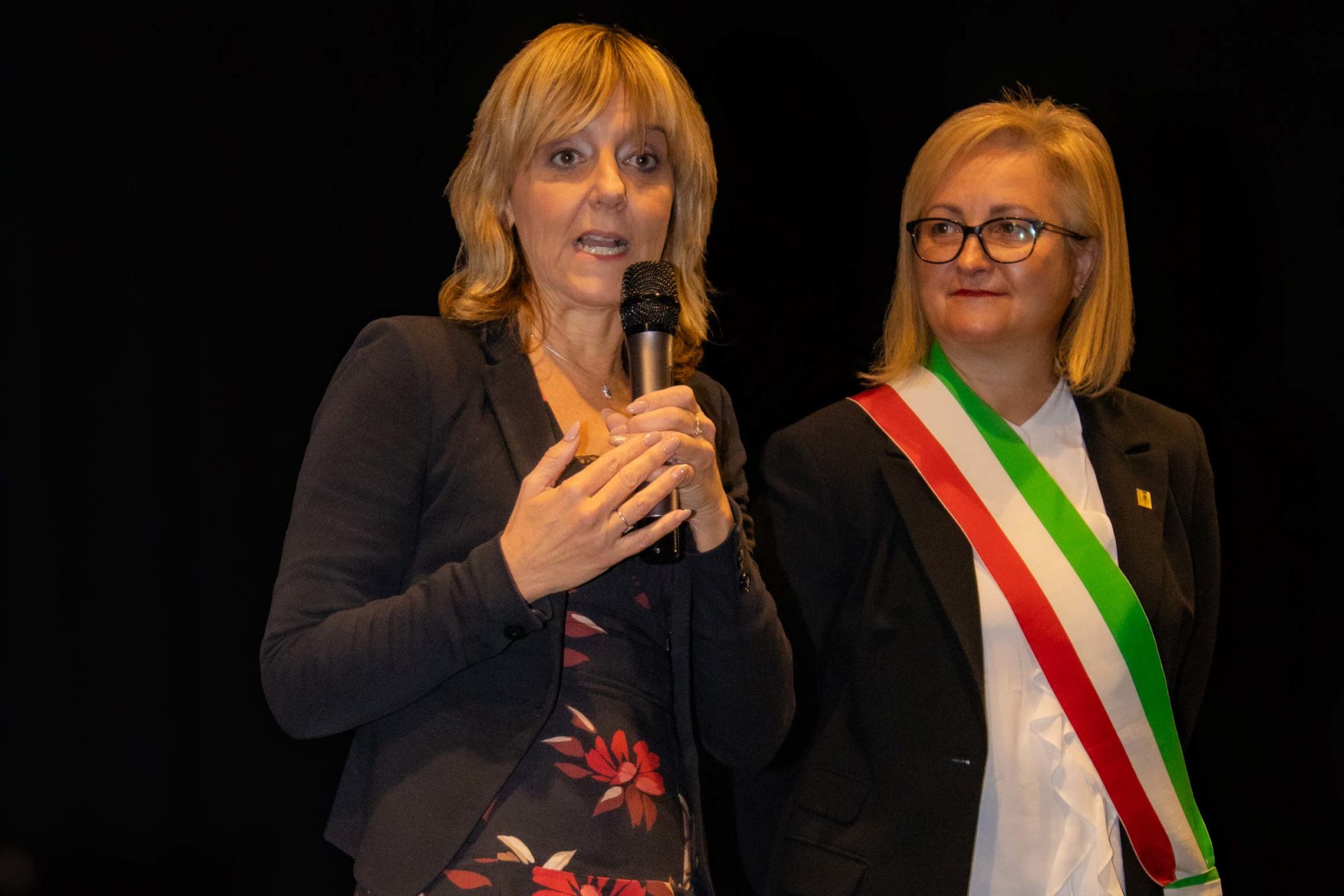
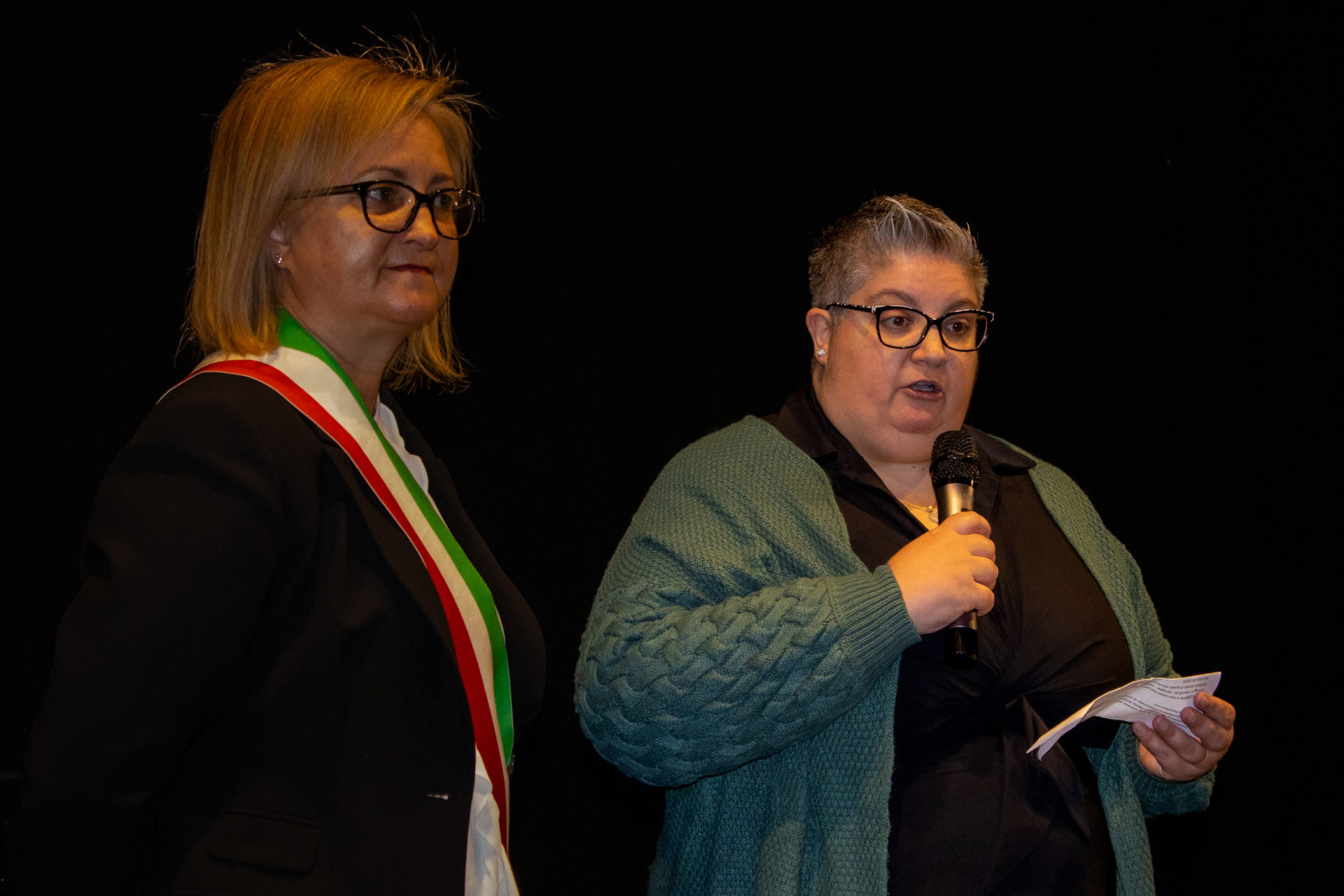
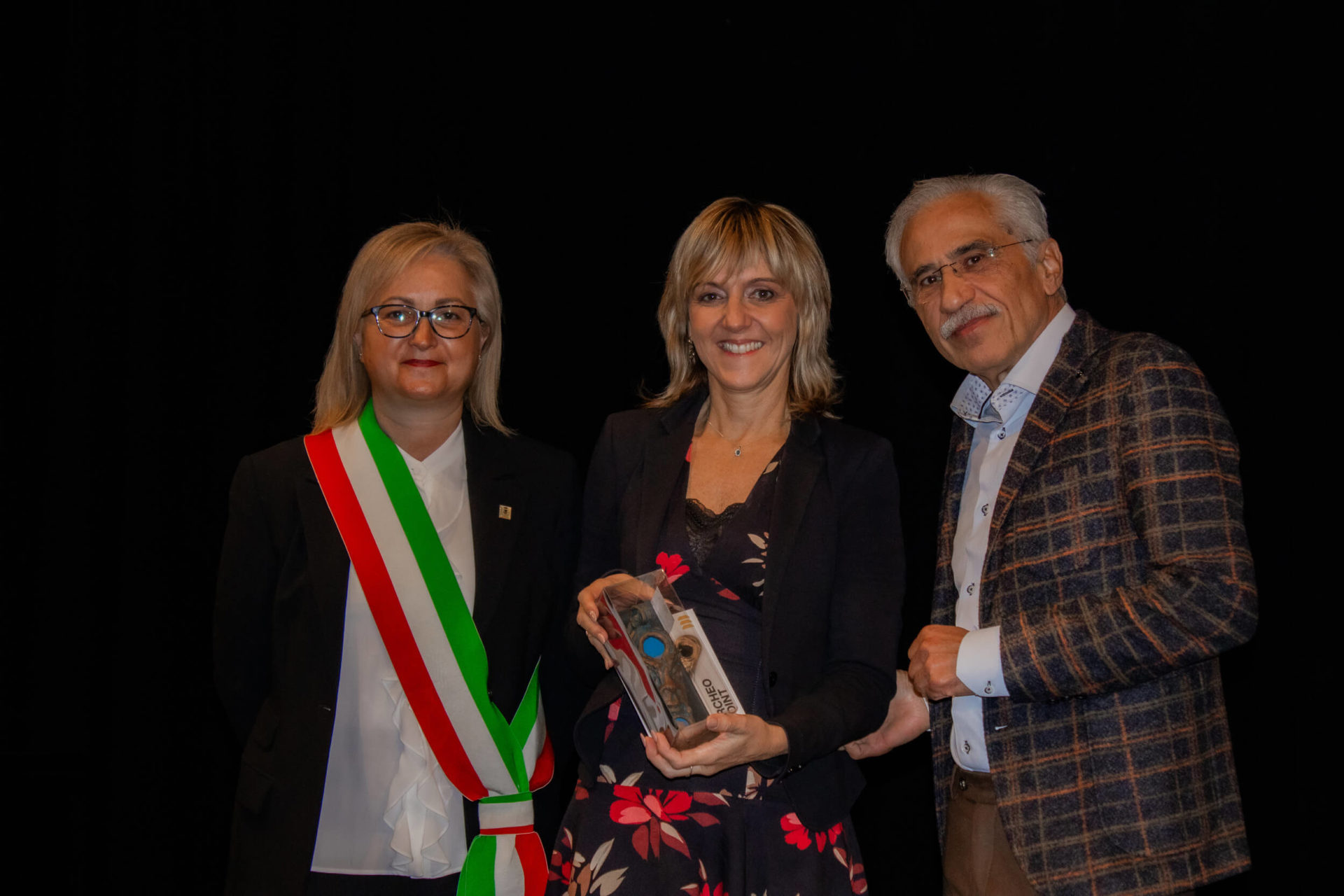
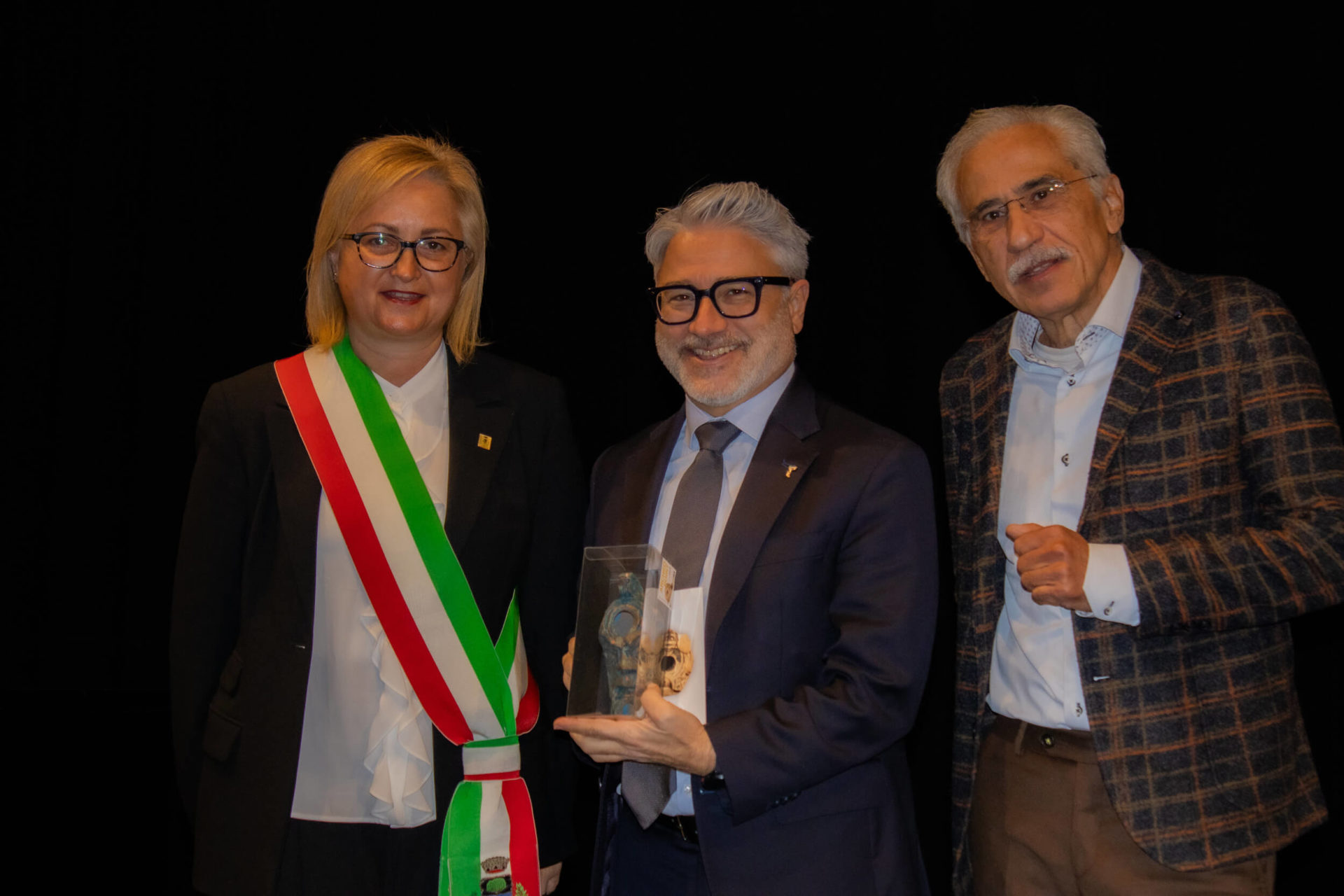
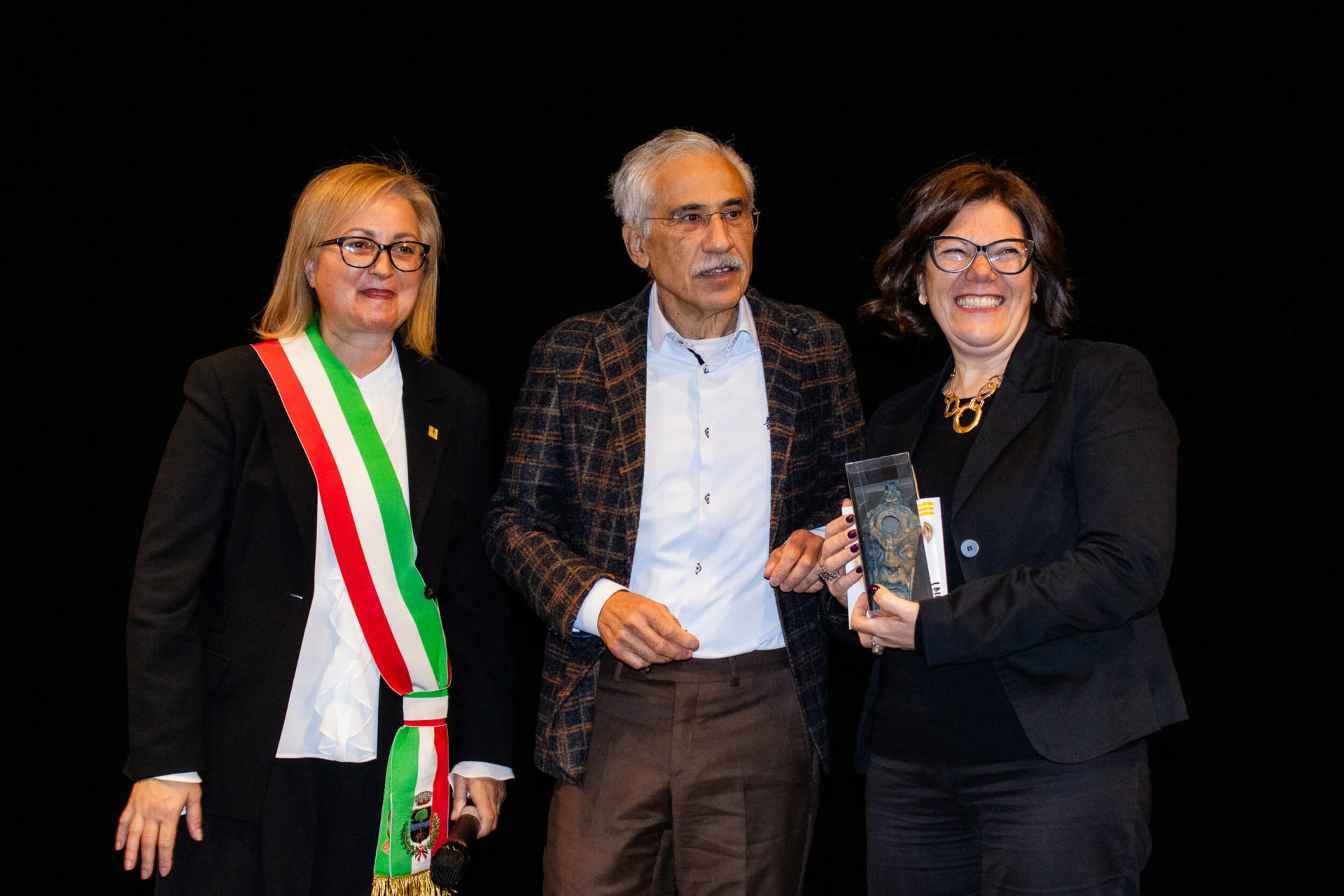
“The inauguration of the Pacilianum Archeopoint,” stressed the mayor of Pasiano di Pordenone, Marta Amadio, “represents an important milestone for our community, which has been passionately preserving the memory of its roots for decades. Bringing archaeology inside Mirs means bringing history, technology and popularization into dialogue, offering citizens, schools and tourists a living place where they can rediscover the past and understand its value for the future of the territory.” Amadio stressed “the importance of the Pasianese Acilius Archaeological Group,” to which the municipality wanted to present a plaque, entrusted in the hands of president Mauro Bondelli. The mayor also thanked Municipal Councillor for Culture MartinaVendramini, who thanked “the choral work that led to the success of the project” and highlighted “the synergy between Archeopoint and Mirs, which has already involved more than 800 students in dedicated workshop activities, destined to become 1,000 in the current school year. An extraordinary success,” he confirmed, “beyond all expectations.
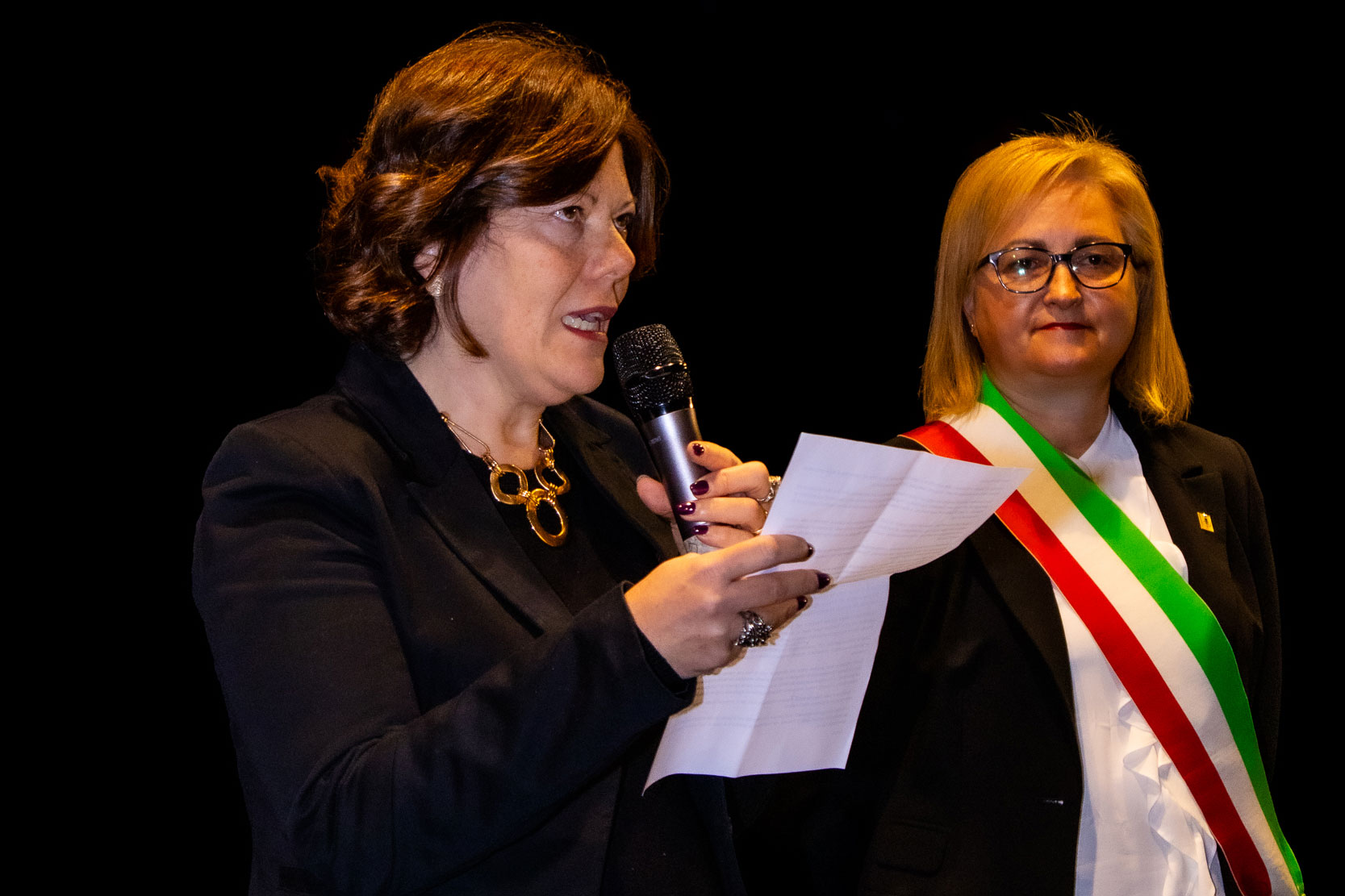
Speaking for the Soprintendenza Fvg was Serena Di Tonto, who recalled how the inauguration “is the happy conclusion of a long journey that today offers a space for a direct dialogue with the past, a space that is a cultural laboratory.” The Honorable Emanuele Loperfido, who was also present at the ceremony, emphasized the role of intermediary played between the Superintendency and the Ministry of Culture “together with the Minister for Relations with Parliament, Luca Ciriani, and the Minister of Culture, Alessandro Giuli,” he commented, “to obtain in a reasonable time all the delicate steps necessary in the national sphere and thus reach the opening of the Archeopoint.
Also present at the ribbon-cutting ceremony was the regional councillor for Infrastructure and Territory, Cristina Amirante, who remarked that “the region has believed in the Mirs and Archeopoint project, working so that the museums can find the resources to proceed with continuity in their activities.”
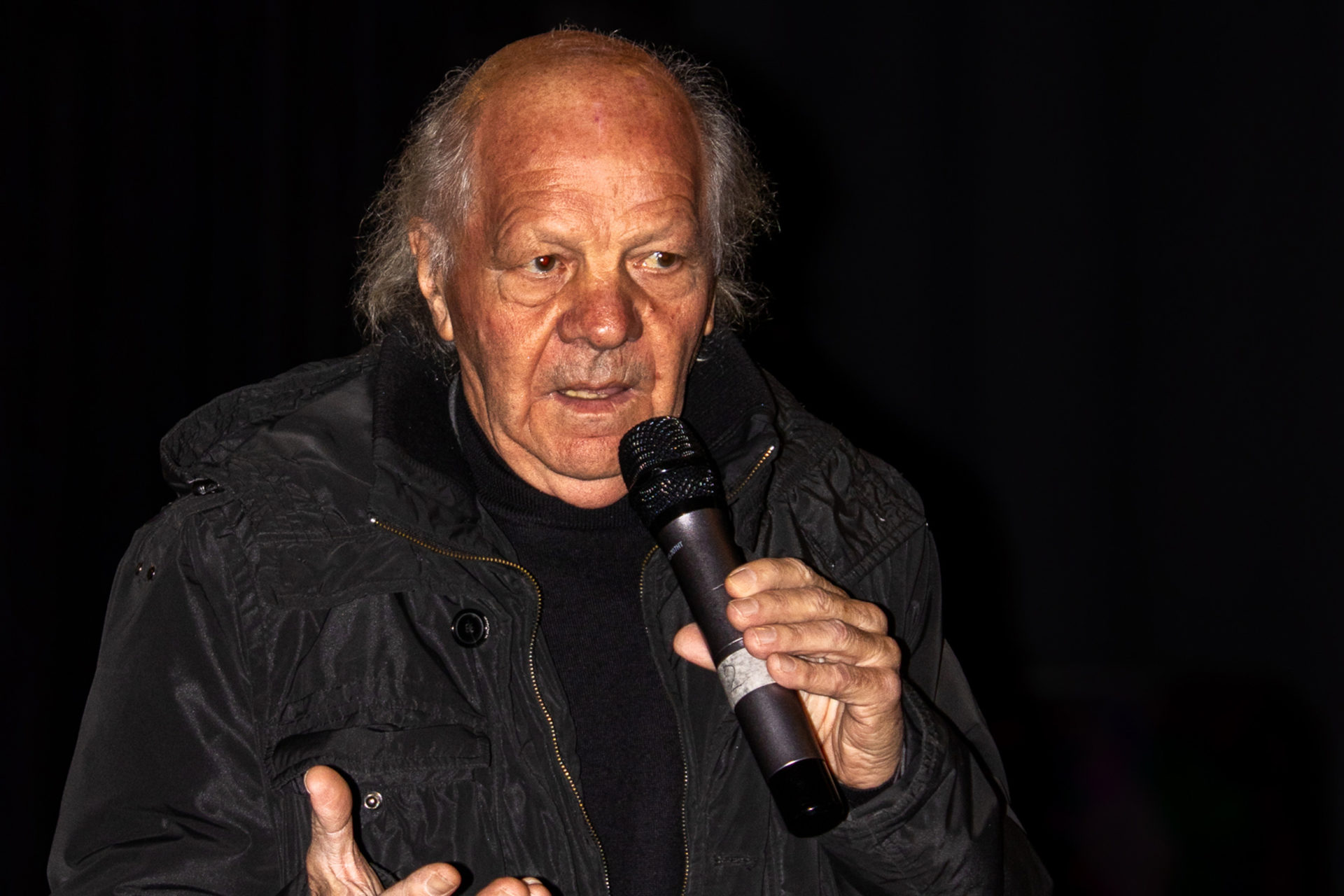
Acilius president Mauro Bondelli called the Archeopoint “the child of more than 40 years of work, which offered the human capital and collective commitment capable of keeping the project alive to this day.” In the design curated by Studio Associato Eupolis, Mirs general director Luca Marigliano recalled how this path involved him “both from a technical and human point of view,” allowing “the necessary synergies to be found to overcome the complex steps to arrive at this innovative archaeological repository that is also transformed into an exhibition for the public.”
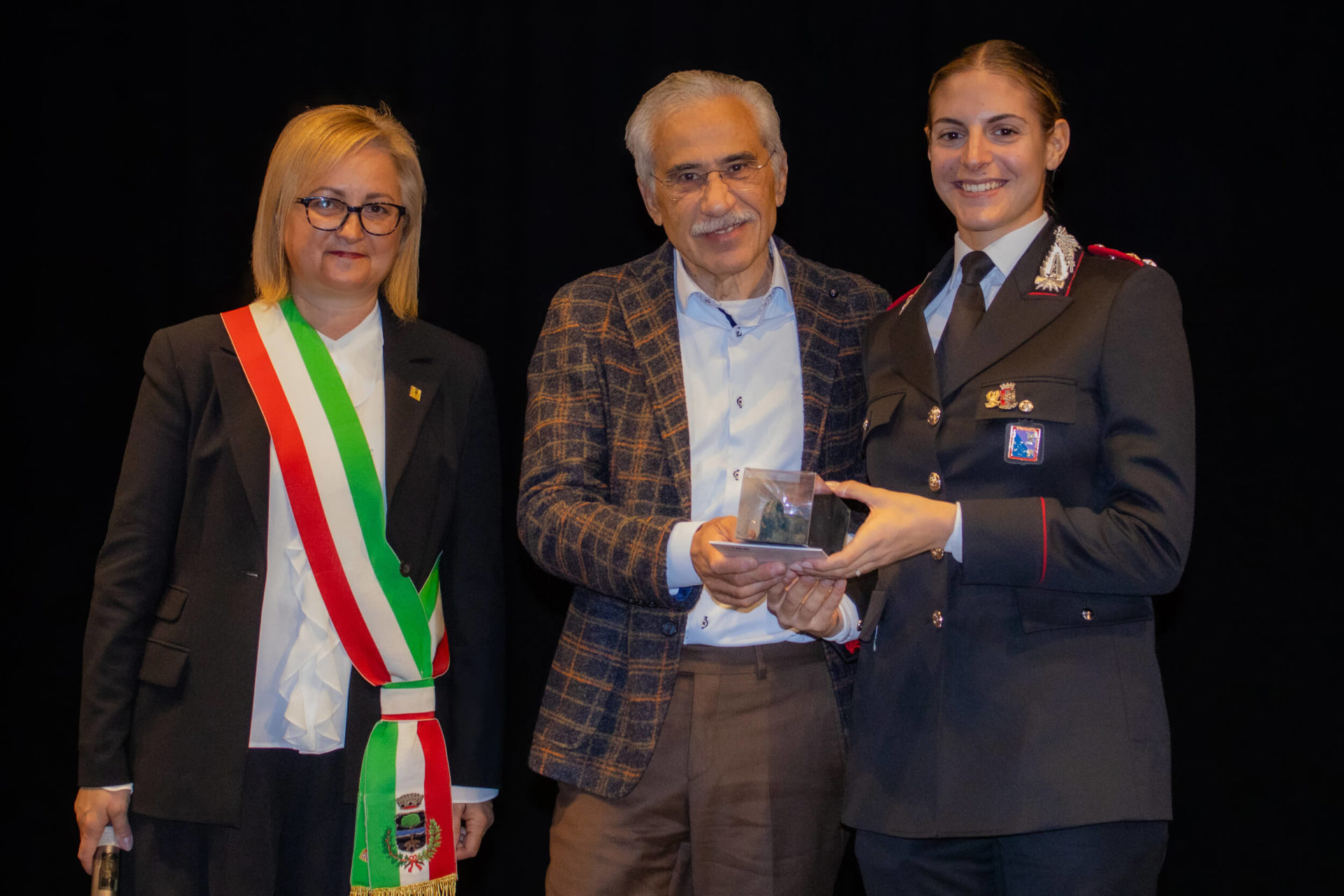
Also present were the Carabinieri Captain of the Sacile Company, Camilla Bernacchini, and regional councilor Lucia Buna, who emphasized how “initiatives of this kind enhance the identity of an area,” while all the speakers highlighted the central role of schools, stressing how “archaeology knows how to attract students and teachers and how the combination of technology and archaeology is particularly powerful in engaging new generations.” Finally, before the ribbon-cutting ceremony, a thank you to Don Luigi Nonis, who was warmly greeted by those present for his 80th birthday.
History resurfacing
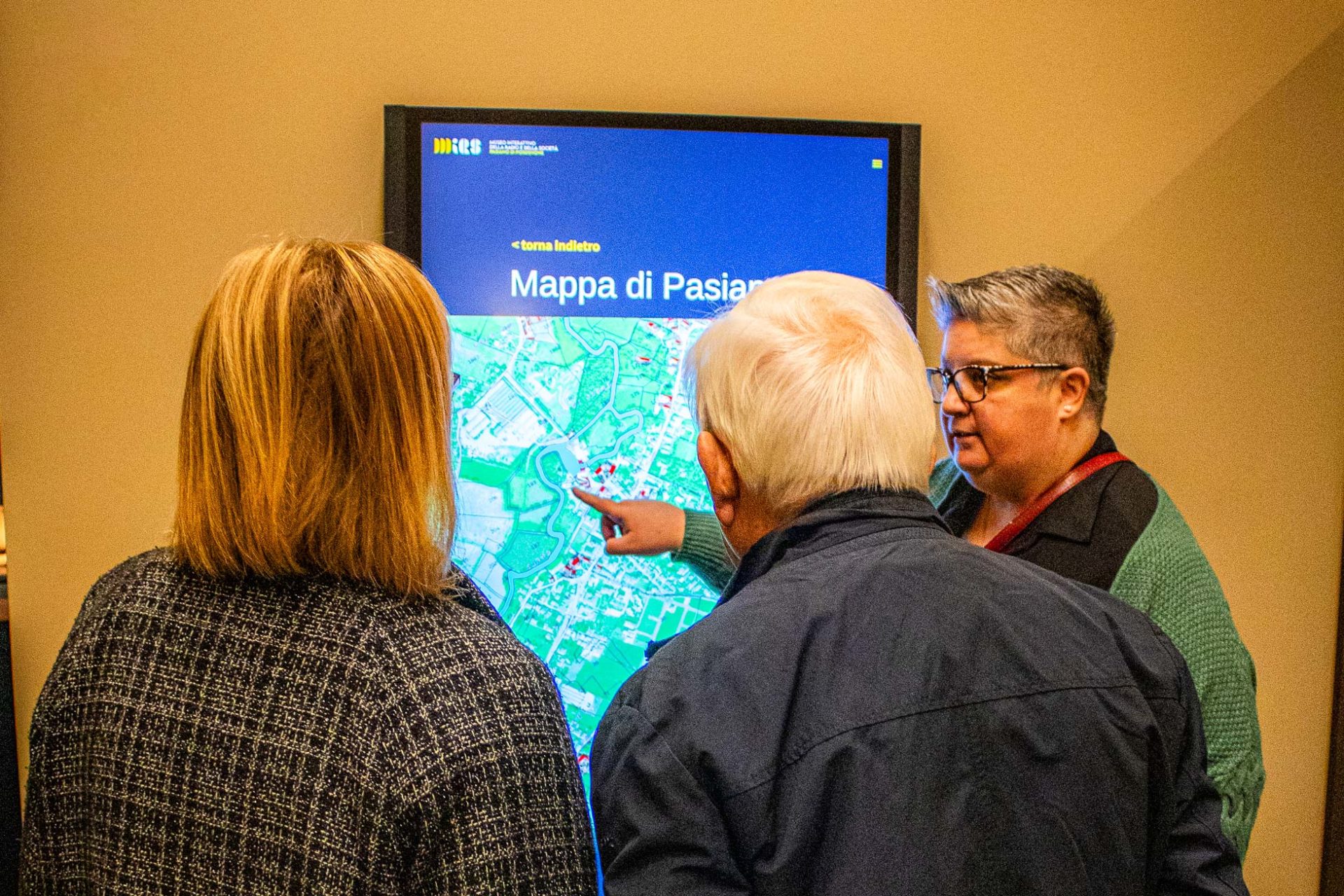
In the interactive station of the Archeopoint Pacilianum, from the ancient Latin name of Pasiano di Pordenone, the digitization of the Napoleonic Cadastre of the Pasiano area has also been implemented.
The Archeopoint is set in a context of great archaeological value: in Roman times the Pasiano area was part of a productive rural territory, organized according to the concordian centuriation. Reconnaissances conducted in the hamlets of Pasiano have allowed the identification of the remains of a long road route-the Postumia road and the centuriation-that from the Livenza reached the Tagliamento, with sections recognized in via Traffe, locality Squarzarè, Pozzo, in the straight between Pasiano di Sopra and di Sotto, and south of Sant’Andrea. The numerous finds in the hamlets of Pozzo, Tavella, Sant’Andrea, Azzanello, Rivarotta, via Roma and via Belvedere testify to a widespread occupation of the territory from Romanization (2nd-1st centuries B.C.) to the Late Antique period.